A weekly or long-term term fits projects that outrun a standard few-day rental, a Highlands kitchen-and-bath gut, a full house cleanout in Okolona, or a contractor staging a multi-phase remodel on a Crescent Hill…
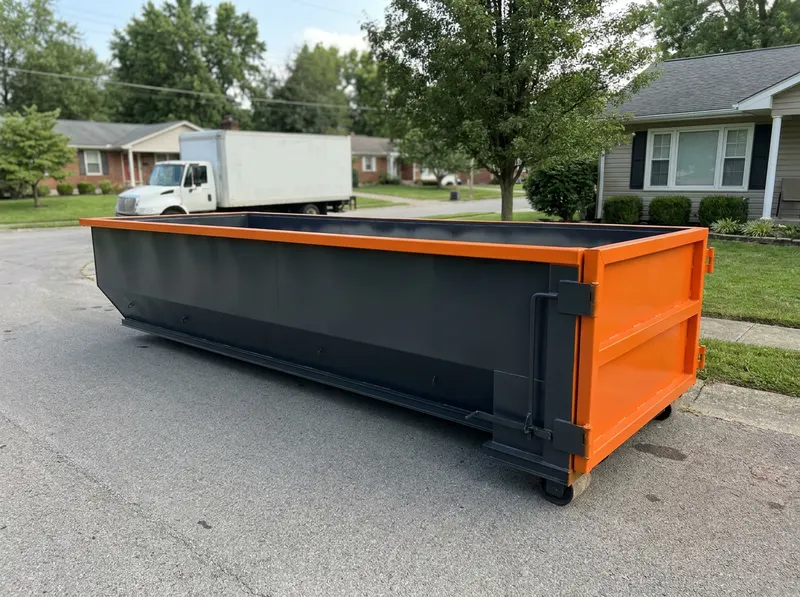
A weekly or long-term term fits projects that outrun a standard few-day rental, a Highlands kitchen-and-bath gut, a full house cleanout in Okolona, or a contractor staging a multi-phase remodel on a Crescent Hill street. The container stays put for the weeks you need instead of forcing a second delivery, and the price is the same flat number whether the dumpster sits for a long weekend or a full month: $595 for the 10-yard, $650 for the 15-yard, $695 for the 20-yard, $795 for the 30-yard, and $895 for the 40-yard. Every one of those figures is all-in, delivery, the rental term, pickup, and disposal are bundled, so there is no per-ton weight charge and no fuel surcharge tacked on at the end. A long-term rental is not junk removal; the container is dropped and you load it at your own pace, which is exactly why a steady worksite in Germantown or Clifton benefits from keeping it on site.
Sizing matters more on a long term because the box lives with you. The 10-yard holds roughly four pickup-truck loads and suits a single-room remodel or a weeks-long garage declutter; the 20-yard, at about eight loads, covers most whole-home renovations; the 30-yard and 40-yard handle large remodels, roof tear-offs, and heavy demolition where crews in St. Matthews or Fern Creek fill the box over several visits. The trade-off is driveway footprint against debris volume, a 40-yard swallows more material but needs more flat space, so a narrow Portland driveway or a tight Shively lot often favors a 20-yard refilled over the term. If-then: if your project is a slow, intermittent cleanout, a weekly term on a 10- or 15-yard keeps costs predictable; if it is a continuous demo, step up to the 30- or 40-yard so crews never wait on a swap.
Placement protects your property over a long stay. Step 1, we confirm the drop spot and clear overhead and side access. Step 2, the driver sets the container on the agreed surface, plywood or boards under the rails spread the weight on concrete or asphalt. Step 3, the box stays for your term while you load it. Step 4, you call when it is full or the term ends. Step 5, we haul it and handle disposal. Jefferson County and the City of Louisville require a public right-of-way permit if the dumpster sits on a public street rather than private property, so on a dense Bardstown Road corridor block the container usually goes in the driveway to avoid that step. Keep the load level with the top rails, overloaded or heaped containers are unsafe to transport under OSHA jobsite safety standards and cannot be hauled until leveled.
Some materials stay out of any long-term box. Household hazardous waste, paint, solvents, motor oil, chemicals, is excluded, and Louisville residents can route those items through local waste management drop-off programs instead. Tires, batteries, and appliances with refrigerant fall under separate recycling and disposal rules. Electronics follow e-waste handling guidance, and heavy clean fill like concrete, brick, and dirt may need its own container because of weight, which our team flags before delivery. For yard-heavy terms, separating organic yard debris keeps the load cleaner, and roofing crews should confirm shingle weight limits that follow roofing industry load practices. Builders tracking debris diversion can reference construction waste management methods and the LEED waste credit framework when a project requires documented recycling. Pricing here is a flat ballpark by size; the exact figure for your long-term term is confirmed on-site before any work begins. Call (502) 233-5741 to set the term.
Every job gets a firm, written price after an on-site visit.
Tell us about your weekly & long-term rental job in Louisville and we'll send a clear, written quote, usually the same day.
 Trailblazer Dumpster Rental